By Amanya Stuart
In a region where young people are often described generously through the language of potential, demographics and untapped potential waiting to be claimed, the real question has never been whether East Africa has young people ready to lead, it is whether the ecosystem exists to prepare them to lead, build institutions and operate across borders. That gap between the rhetoric of youth empowerment and the reality of leadership development is what the EAC Youth Fellowship is working to close.
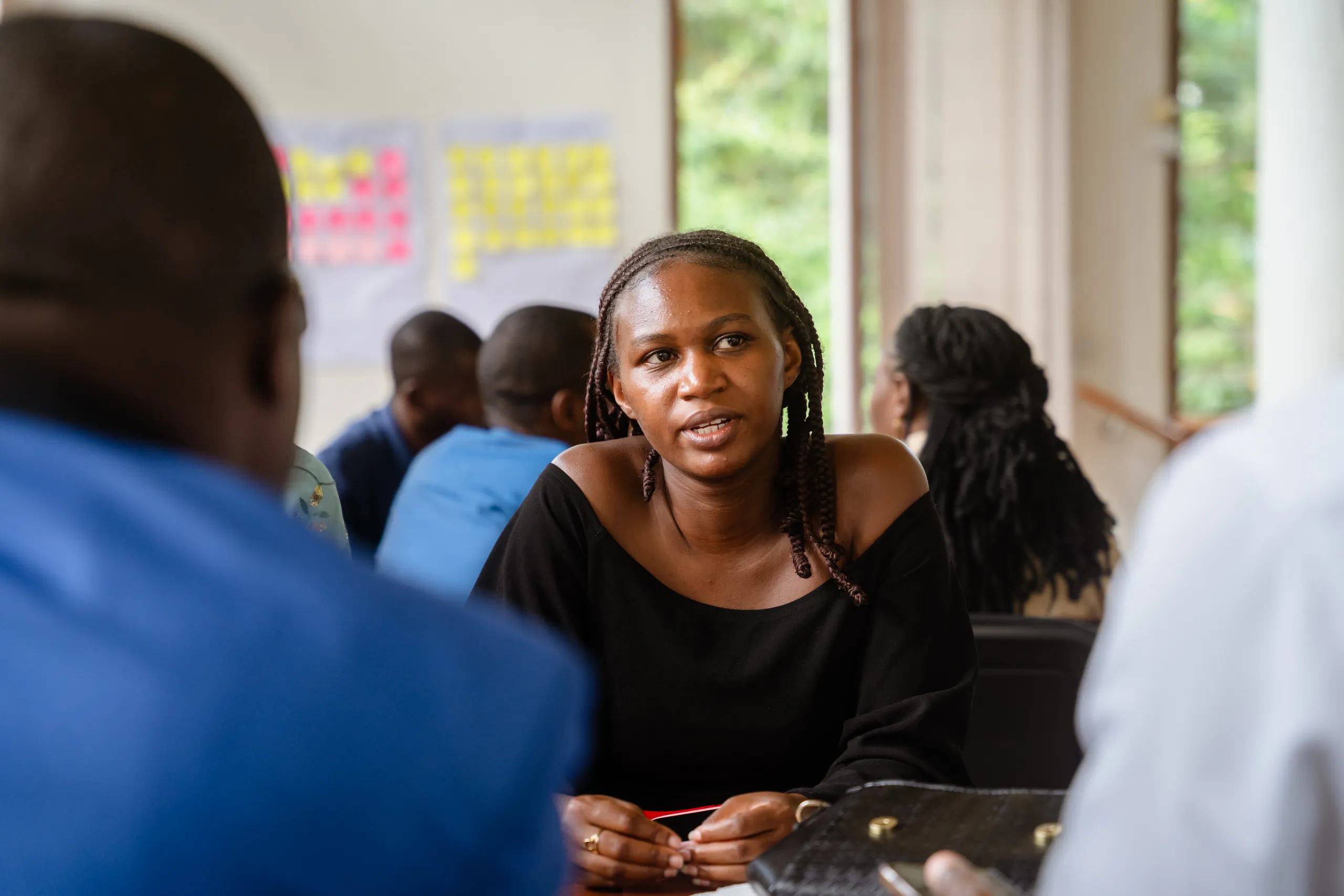
EAC Youth Fellowship 3rd Cohort
From November 2025 to April 2026, the EAC Youth Fellowship convened its 3rd Cohort, comprising 30 fellows drawn from all eight EAC Partner States; Burundi, DRC, Kenya, Rwanda, South Sudan, Somalia, Tanzania and Uganda.
Delivered through a blend of virtual and in-person sessions, the Fellowship was structured around two between two tracks, Youth in Leadership & Politics and Youth in Business & Enterprises, with climate justice, digital transformation and green transition as cross cutting issues, framing the world these leaders are being prepared to navigate.
From the outset, the fellowship was designed as a leadership development journey with a foundational training that challenged them to confront the most basic, yet often neglected, leadership that starts with personal reflection and awareness. Sessions on identity, values, and personal leadership grounded participants in the understanding that leadership does not begin in boardrooms or parliaments, but in personal discipline, clarity of purpose, and the ability to influence oneself before others.
Youth in Leadership and Politics Track
For those in the Leadership & Politics track, discussions extended into governance systems, democratic safeguards and the increasingly complex nature of political participation in hybrid regimes.
“Democracy is not defended by slogans or periodic elections; it is secured by strong institutions, an informed citizenry, and the continuous balancing of power with power. Where these are weak, democracy becomes ceremonial present in form, absent in substance,” shared Prof. Julius Kiiza, Associate Professor of Political Economy & Dev’t, Makerere University - Facilitator.
Youth in Business Track
The Business and Enterprises track immersed Fellows in the realities of entrepreneurship in Africa, where innovation often exists alongside structural constraints. Through sessions on business modelling, investment readiness and digital transformation, fellows were challenged to move beyond ideas into execution.
In the words of Christian Iradukunda, Business track Fellow, “The difference between a concept and a company is discipline: systems, consistency and the courage to build even when the environment is not ready for you.”
Cross-cutting Thematics
Through the crosscutting themes of climate justice, gender equality, digital transformation and green transition, fellows examined the structural inequalities behind the climate crisis and its lived inequalities, the systemic barriers that continue to determine who has access to leadership and grappled with the governance implications of a rapidly digitalising world.
The Fellowship also prepares young leaders to engage with the architecture of regional integration. During its in-person sessions fellows visited the East African Community Hqs in Arusha gaining firsthand understanding of how policies are negotiated, implemented and sustained at a regional level. This exposure is deliberate to the Fellowship, preparing the young leaders to think, build and lead to operate beyond national boundaries.
The EAC Youth Fellowship, supported by Danida Fellowship Centre and MS TCDC, helps young East Africans build the skills, networks, and confidence to lead and create impact.